Artificial Intelligence
Joining the HIMSS Executive Connect program helped Sophia Brown, RN, Strategic Informatics Solutions' CEO, realize that leaders from different organizations can solve common challenges together.
While AI-savvy patients are concerned about where their data is stored, the fact that 95% of them agree to using ambient AI to improve patient-doctor interaction signals their comfort level with AI tools, says Nabla's Dr. Matt Sakumoto.

Defining a problem for AI to solve, aligning that goal with enterprise strategy and building strong governance can help healthcare organizations succeed with AI, explains Jill Seys, HIMSS' senior director for North America analytics.

Greg O'Neill, ChristianaCare's director of patient education, says providers should use health literacy best practices to respond to patients' questions or risk them turning to other channels for answers.

Students from across the globe tackle real-world healthcare challenges and deliver measurable community outcomes through NHIT INSPIRED, explain HIMSS' Tom Leary and NHIT CEO Luis Belen.
AI-powered, "always-on" assistants can guide patients through navigating care and coverage questions to provide a seamless, personalized healthcare experience, according to Google's Aashima Gupta.
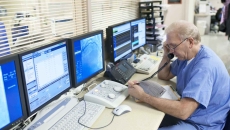
Close to 60% of providers who responded to an HFMA survey say they have yet to implement AI or automation in the revenue cycle.

HIMSS TV show floor interviews demonstrated that HIMSS events are great places to build and renew relationships. Conference-goers say that meeting colleagues and peers is one of the highlights of attending.

Interviewees at HIMSS26 agree that digital tools must serve people first, enhancing care and completing administrative tasks without invading patient privacy or adding to clinicians' cognitive burden.

AI technology has evolved so quickly that even healthcare staff with no technical expertise can now build custom agents to solve clinical or back-office challenges, explains Kenneth Harper, Dragon general manager at Microsoft.