Operations

The maturity model optimizes scheduling, reduces wait times, lessens administrative burden and looks at patient health indicators, says Sara Meinke and Asad Tariq of Baptist Health.

Twelve teams participated in the competition held by Cooper University Health Care – which has in its inner-city DNA an awareness of SDOH issues such as exposure to violence, access to healthy food and stable housing – to create care in communities, says Chief Innovation Officer Dr. Michael Kirchhoff.

Within its own maturity models, HIMSS is developing what's needed for healthcare ecosystems to develop the data layer for access by apps and for integration in hospitals, says HIMSS President and CEO Hal Wolf, speaking at HIMSS25 Europe.
Tax policy has shifted drug manufacturing to Switzerland, Ireland and Germany, says Johns Hopkins expert.

The consolidation is happening three months after Prime acquired 8 Ascension hospitals.

This is the first generative AI radiology tool to be integrated into a clinical workflow, says JAMA report.
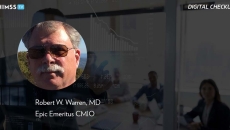
Among the numerous ways to become a CMIO, three stand out: training; transitioning from a physician leader; changing from CMO to CMIO, says Dr Robert W. Warren, Epic Emeritus CMIO, whose career includes CMIO at MUSC Health.

Median hospital margins increased to 3%, up slightly from March, but policy uncertainty is contributing to market volatility.

MetroHealth is finishing a years-long project to consolidate and archive images so that they are available to providers and patients who should have access, says Dr. David Kaelber, the health system's chief health informatics officer.

Process change and a payer partnership led to SDOH screening assessments being incorporated into the hospital's EHR.