Operations
About 71 percent of non-acute care and 50 percent of acute care respondents pointed to a lack of financial resources to shore up their systems.
Clinics like those at CVS and Walmart move toward more population health and chronic disease management services.
FAIR Health, a nonprofit cost transparency and health research company, has launched a free mobile app it says can help improve health insurance literacy, promote transparency in medical and dental costs, and increase healthcare engagement among Connecticut residents.
Top reason for using advanced analytics, especially within pop health programs, is enabling interventions that prevent health declines, study says.
Several states now require insurers to keep directories updated at least every quarter, among other guidelines.
As of July 1, the FDA had 4,036 generic drug applications awaiting approval; median time it takes for the FDA to approve a generic is now 47 months.
Nearly 20 percent of Medicare patients return to the hospital within 30 days, costing more than $26 billion annually, federal data shows.
The approach of MACRA promises sweeping change to healthcare providers. Experts in the field weigh in on what the regulatory implications really mean for providers and how to prepare.
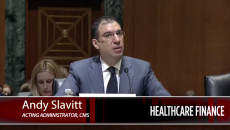
The industry association calls on CMS Administrator Andy Slavitt to focus on the key issues of data sharing and interoperability and to reduce the need for multiple reports from IT systems.
Research suggests that "implicit bias" -- doctors and nurses subtly or subconsciously treating some patients differently than others -- or patients' perception of it could have consequences for people's health.