Operations

Clearwater has partnered for threat hunting and monitoring for cyber resiliency, says CEO Steve Cagle.
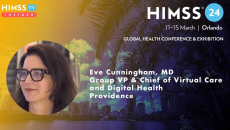
Dr. Eve Cunningham, group VP and chief of virtual care and digital health at Providence, and 2024 Changemaker, speaks about the advances made in virtual care and how the right clinical sponsors can help clinicians be more engaged in alternative care modalities.

Steward blames decreasing government reimbursement rates and higher costs as primary factors driving its decision.

Liberty Hospital said it will expand access to high-quality healthcare for current and future patients in the Northland.

While hospitals are no longer required to submit the data, the CDC is still encouraging them to do so voluntarily.

CEO David Cordani says the company's specialty businesses are the cornerstone of the accelerated growth.
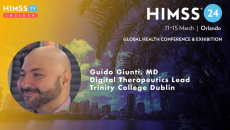
Dr. Guido Giunti, digital therapeutics lead at Trinity College Dublin and 2024 HIMSS Changemaker award recipient, helps create evidence-driven solutions to fight fatigue in multiple sclerosis patients.

Change Healthcare cyberattack affected Aetna's claims with CVS putting aside a $500M reserve for claims not received.
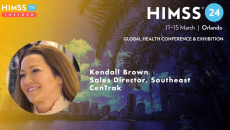
CenTrak Sales Director for the Southeast and HIMSS Changemaker award recipient Kendall Brown is a resource for CIOs, who represents HIMSS initiatives on telehealth, cybersecurity and interoperability - and educates policymakers on all things health IT.

Nursing informatics program director at NewYork-Presbyterian Hospital and HIMSS Changemaker award recipient Ellen Arigorat talks about becoming a super user and champion for EHR integration.