Population Health
Data being collected is sometimes inaccurate, and not reflective of populations regarding race or demographics, according to Allison Viola, senior advisor for Health IT at the U.S. Department of Health and Human Services Office of Inspector General.
In 2020, COVID-19 and civil unrest spotlighted healthcare disparities. In response, some companies announced efforts to combat inequities, but did they follow through? Jasmaine McClain, principal of the Health Equity Alliance at the Health Management Academy, discusses.
What are the roles for technology, clinicians and pharmacies in responding to the social determinants of health? Iris Frye and Nicholas Christiano Jr., co-chairs of Health Equity Policy Task Force under the HIMSS Public Policy Committee, discuss.
Kimberly Brock, vice president of communications at IQ Solutions, talks about the company's public health work with federal agencies and nonprofits to ensure greater access to healthcare.

Less than 1% of nursing homes nationwide take part in the Special Focus Facility Program.

Education helps the LGBTQ+ community access monkeypox vaccines, according to Amy Chacko, chair of the New England HIMSS Clinical Informatics Committee.

The lawmakers describe the future of audio-only telehealth coverage as "unpredictable" and say a consistent policy should be established.

Physical and communication accommodations, structural barriers and attitude were all factors affecting care for this group of patients.

Philips is repurposing tech innovations it conceived during the emergence of the pandemic to help address healthcare access worldwide. The company's Vice President of U.S. Government Solutions Christina Nichols gives the details.
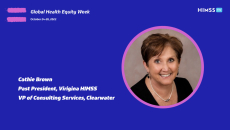
Cathie Brown, past president of Virginia HIMSS and VP of consulting services at Clearwater, explains these essentials, and how cybersecurity is integral to their success.