Reimbursement

Between 2015 and 2019, spending increased by 21.8%, or $1,074 per person, with prices rising and utilization declining.

The average estimated allowed amounts rose 76.4%, while the average Medicare reimbursements rose 4.7% from 2017 to 2020.
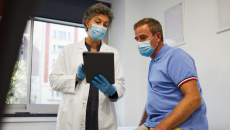
The American Hospital Association claims the rule is a windfall for insurers, while BCBSA calls it a “win for patients.”
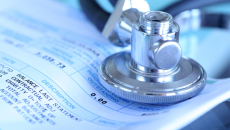
The rule includes a payment dispute resolution process for uninsured or self-pay individuals, and outlines requirements for cost estimates.

Part D prescription drug coverage is rising to $33 per month, compared to $31.47 in 2021.

This week's top stories include projections that hospitals could lose $54 billion in net income over the course of this year, and Apple looking to use digital biomarkers to help detect depression and early-stage cognitive decline.

OIG suspected MA companies have financial incentives to make beneficiaries appear as sick as possible.
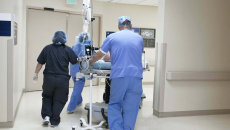
Hospitals are treating sicker patients and spending more for labor, supplies and equipment as people continue to put off care.
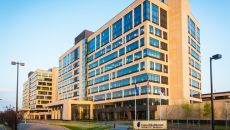
Prime's New Jersey hospitals will continue to honor the rates and services in the agreements until the end of the cooling off period.

The report received harsh criticism from advocacy group 340B Health, which called the methodology highly flawed.