Telehealth

At MEDinIsrael 2019, dayzz CEO Amir Inditzky shares lessons learned from his company's sleep app.
Artificial intelligence, real-time payments and telehealth are all factors that could affect the revenue cycle picture over the next nine months.

Mobile technology engages patients, having them "clear the red dots" on their phones so they are prepared for surgery, says MobileSmith CEO and Chairman of the Board Randy Tomlin.
Telehealth usage grew 53 percent from 2016 to 2017, compared to just 14 percent for urgent care centers, the next-highest on the list.
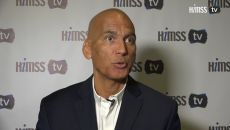
Ver2 Digital Medicine CEO Brian de Francesca talks about how telemedicine has evolved and efforts to provide medical care to refugees in camps using a cloud-based EHR built on blockchain.

David McSwain, interim CMIO at Medical University of South Carolina, says telehealth technology has evolved to the point where virtual visits can now include entire care teams in ways that just aren't possible when clinicians are using phones.
As transformative as the technology can be, providers need to be cautious not to lose the human element in their care delivery.
Receiving consistent primary care leads to better overall health, but a lack of coordinated communication will be a concern.
Until November, reimbursement for remote patient monitoring services was a gray area for providers, but the picture is becoming clear.

Matthew Holt and Indu Subaiya, cofounders of the Health 2.0 Conference, take a look at notable digital health funding developments and offer a prediction of what will come next.