Videos
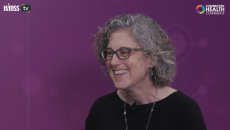
Dr. Louise Aronson, professor of geriatrics at UCSF, says "elderhood," like adulthood and childhood, is a long, varied phase of life that includes different stages, but older adults live in a world where they are invisible.
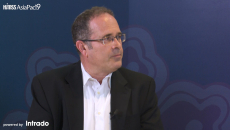
Jeremy Kagan, CEO of CardioLync, talks about addressing the information disconnect that is keeping clinicians and patients from making informed decisions and hindering outcomes.
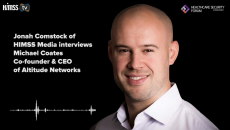
Michael Coates, co-founder and CEO of Altitude Networks, says to optimize for accuracy, we have to rethink the controls, technology and tools we use, and then we can start to scale into workflows.

John Sharp, Personal Connected Health Alliance at HIMSS, says conveying compassion, or "digital empathy," is possible through technology including virtual coaching and chatbots - if consumers trust the healthcare source.

SPONSORED
 |
08:11 am |
January 23, 2020
|
08:11 am |
January 23, 2020
|
08:11 am |
January 23, 2020
Jigar Kadakia, chief information security and privacy officer at Partners HealthCare, and Ed Gaudet, CEO at Censinet, discuss how to minimize third-party risk.
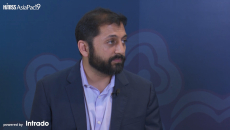
Healthbox President Neil Patel says healthcare organizations worldwide should be developing innovation strategies and adopting new technologies to survive in a value-based world.
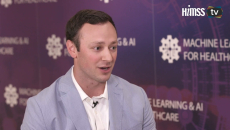
Cleveland Clinic puts AI to work for two intertwined aims: better patient outcomes and financial return, says Joseph Dorocak, manager of population health analytics at the health system.
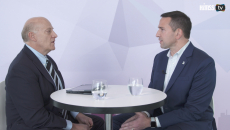
Justin Gernot, vice president of HIMSS subsidiary Healthbox, says to find success in innovation, health organizations must avoid a number of pitfalls.

Tohoku University's Dr. Masaharu Nakayama details how his group withstood the disruption of Japan's 2011 earthquake, and why that level of resilience is difficult to maintain.
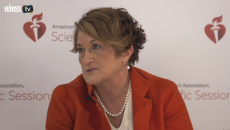
Motive Medical Intelligence's Director of Solution Development Bette Jane Reese says recognizing the difficulty of behavior change is the first step of helping patients take part in their care.