HIMSS TV

Perceptions differ between how providers want to get paid and how patients want to pay, says Ryne Natzke, chief revenue officer at TrustCommerce.
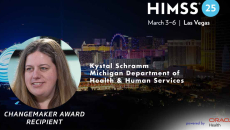
At the Michigan Department of Health and Human Services, HIMSS Changemaker Awardee Krystal Schramm says she works with data everyday, striving to use technology to make improvements from local areas up the federal level.

Treatment includes taking out white cells in CAR-T cell therapy to reprogram them to kill certain cancers and using stem cell gene therapy to stop disease progression, says Boro Dropulić, executive director of Caring Cross.

Information from other participants allows for a better understanding of a zero-trust environment and all that she's learned can be passed on to her coworkers, says Habi Mojidi, chief information officer for medical readiness in the U.S. Army.

Lack of asset management allows attackers to find vulnerabilities so it's critical to cyberdefense to have a full asset inventory, says Katie Moussouris of Luta Security.

HIMSS25 Changemaker Award recipient Olga Kagan is CEO and founder of the Food Allergy Nursing Association, a nonprofit organization, to educate nurses about the emerging health concern.

AI can help but aligned incentives and the culture of organization are also important, says Dr. Anwar Jebran, medical director of population health informatics at Oak Street Health.
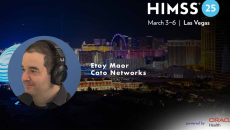
Cybercriminals are using AI to hack into systems and are figuring out how to use AI to their advantage, says Etay Maor, chief security strategist at Cato Networks.
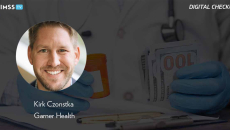
Garner Health has over 500 metrics across all levels of care, except for the ER, to give a holistic view of which doctors provide great care while saving money, says Kirk Czonstka, SVP of Strategic Alliances.

Reducing document burden through ambient AI is a low-hanging fruit that excites clinicians but genAI for clinical decision support is building acceptance more slowly, according to Julie Frey, vice president of provider product at Wolters Kluwer.