HIMSS TV

The HIMSS Immunization Integration Program has the ultimate goal to improve vaccine coverage, says Office Practicum's Chris Gibson and Dr. Rich Szabo.
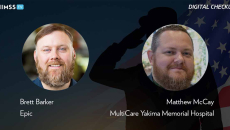
Epic has built an API to automatically connect the VA database with non-VA hospitals, work that was previously done manually, says Matthew McCay, MultiCare Health System's veteran advocacy manager, and Epic's Brett Barker.

Dr. Sameer Vohra, director of the Illinois Department of Public Health, says timely, data-driven insights are needed to improve public health, and partnering with innovators to develop new tools can help advance these efforts.

Each year, about 1.8 million veterans miss appointments due to lack of transportation access, an issue the Veterans Health Administration–Uber Health Connect (VUHC) Initiative is addressing, says Zach Clark, global head of Uber Health.

Julie Luengas, chief nursing informatics officer at Stony Brook Medicine Information Technology, says a group of nurses at a HIMSS25 session announced a free toolkit that can help ensure health systems are using AI responsibly.

Work that used to be done by 200 people can now be done by 20 as AI becomes a digital workforce for such administrative tasks as claims appeal letters, says Anurag Mehta, CEO of Omega Healthcare.

Training staff to take advantage of AI and other technologies that will help supplement the workforce is important, says HIMSS President and CEO Hal Wolf.

Helping patients and health systems understand how to use technology delivers health benefits for everyone, says Dr. Roosevelt De Los Santos, medical director of health informatics at Trinity Health and a 2025 Changemaker Award recipient.
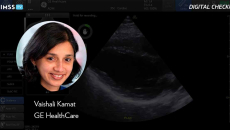
Scan guidance knows what it’s seeing and guides the user using step-by-step instructions for cardiac assessment, says Vaishali Kamat, GE HealthCare's general manager of new ventures for ultrasound digital solutions.

Dr. Maheshwara Rao Appannan, digital health division director at Malaysia's Ministry of Health and a HIMSS Changemaker Award recipient, has been given the task to use digital health maturity to transform the public health system and to better serve its population.