Artificial Intelligence
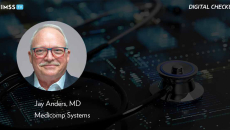
One issue is that half of medical devices haven't been trained on real patient data during clinical validation, says Dr. Jay Anders, chief medical officer at Medicomp Systems.
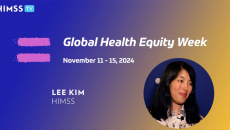
Patients need a safe, effective operational hospital that can ensure access to their data, says Lee Kim, senior principal for cybersecurity and privacy at HIMSS.
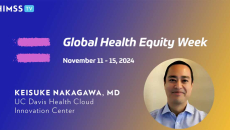
One of the biggest barriers in using AI clinical algorithms to reduce health disparities is the need for representative data sets, says Dr. Keisuke Nakagawa, director of innovation at UC Davis Health and co-chair of the HIMSS SDOH Committee.
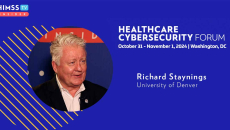
The ability to use AI to get past cyber defenses will cause a reset on the tools used to secure healthcare networks, says cybersecurity expert Richard Staynings of the University of Denver.

More than 90% of messages can be handled by virtual nurses, which eases workforce shortages and burnout, says Anurag Mehta, CEO of Omega Healthcare.

The expectation is for a new Congress to create policy around AI and cybersecurity, says Tom Leary of HIMSS.
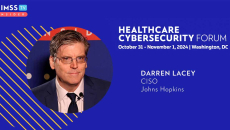
Using AI to extract data is one of the more promising areas of cybersecurity, says Darren Lacey, CISO at Johns Hopkins.
UC Davis Health has adopted technology in a partnership to prioritize stroke cases and share information across academic medical centers. This led to efficiencies and better patient outcomes, says chief AI advisor Dennis Chornenky.
It's important for chief AI officers to have a strong sense of the regulatory environment and the skills to align AI investments to the company's business strategy, says Dennis Chornenky, UC Davis Health's AI chief.
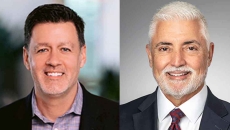
Core concern of labor and supply inflation are growing at a faster rate than payment and workforce issues haven't gone away, CFO says.