Artificial Intelligence
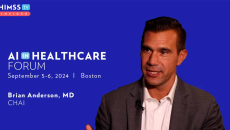
CHAI has formed five working groups for best practices to build out an assurance standards guide. Later this fall it will announce a model card to align health systems, payers and IT companies, says Dr. Brian Anderson, cofounder and CEO.
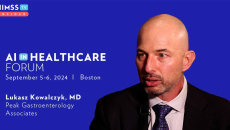
The question becomes not whether AI can predict disease, but what physicians should tell patients, ethically, such as their chances of getting cancer, says Dr. Lukasz Kowalczyk, a physician at Colorado-based Peak Gastroenterology Associates.
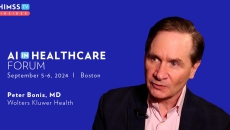
From an enterprise level there is no shortage of AI opportunities around the economic value of the application, says Dr. Peter Bonis, chief medical officer at Wolters Kluwer Health.

Fifteen percent of providers and 25% of payers report having an established AI strategy in 2024.

There's a hesitancy to trust generative AI, but, at the same time, clinicians don't want to miss a diagnosis, says Dr. Antoine Keller, cardiothoracic surgeon at Ochsner Lafayette Hospital.
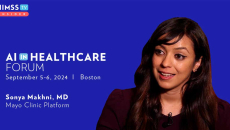
Because there are barriers to adoption and trust, solutions need to be useful, be transparent around information that goes into performance and be safe, fair and cybersecure, says Dr. Sonya Makhni, medical director of applied informatics at Mayo Clinic Platform.

Deploying AI needs a strategy for use cases that starts with identifying problems that need to be solved, says Michael Pencina, director of Duke AI Health.

Telemedicine opened doors to healthcare access, says Dr. Shawn Griffin, president and CEO of URAC, a telehealth accreditor that recognizes organizations for excellence in telemedicine to boost health equity.
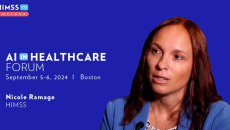
Considerations include what stage of adoption hospitals are in, the challenges and benefits of the technology and the protection of patient data, says HIMSS senior market insights manager Nicole Ramage.

Generative AI is working, and the hallucination problems are easing, says Rob Havasy, senior director of informatics strategy at HIMSS.