Medical Devices
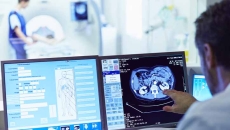
Large hospital systems could have around 85,000 medical devices connected to its network, which translates into a broad attack surface, report warns.

Monthly Update: HIMSS Media Editor in Chief Jonah Comstock shares some of the biggest headlines from June, including event news, upcoming wearables and a deep dive into ASMR.
Panelists emphasized virtual care's longer-term potential at the final day of the American Telemedicine Association conference and expo.
The goal is to identify and commercialize technologies that aid the U.S. in responding to future health security threats.
While the technology can be hugely beneficial, providers have to find the sweet spot when it comes to patients’ comfort levels.

Franka Cadée, president of the International Confederation of Midwives, discusses the importance of making sure the use of digital tools is preserving compassionate connections between clinicians and patients.
The organization also raised its 2021 manufacturing supply forecast to between 800 million to 1 billion doses.
While none are officially FDA approved, the agency has cleared them under emergency use authorization.
Physicians spend an average of 90 minutes after hours focused on coding work, according to time and productivity studies.
They also result in faster time to patient care and a better understanding of the information, results showed.