Strategic Planning

The penalty for non-compliance is the loss of tax-exempt status for a not-for-profit hospital for a year, says Hal Andrews, CEO of Trilliant Health.

To achieve its goal, Humana told investors it's set several targets, including increasing preventative care visits by 20% this year.

The main theme of a HIMSS25 panel was not around tech, but was about the culture of innovation making the difference, says Edward Marx, CEO of Marx Advisory who is part of the HIMSS CIO Connect program.

Senior leaders feel pressure to evolve AI but cite a lack of internal resources to develop in-house AI tools.

The ambulatory surgical center market, aided by AI to enhance care coordination and surgical outcomes, is growing.
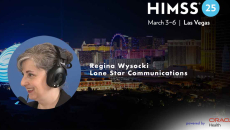
One breakthrough that has helped is the ability of ambient AI to document what’s happening in the room, says Regina Wysocki, senior informatics program manager at Lone Star Communications.

Health system says it is taking steps to adapt its operations for a new reality of reduced reimbursement and higher costs.

The features are being made available in a phased rollout through myCigna's member portal.

Digital tools are seen as a way to address scheduling barriers, especially for millennial and Gen Z patients.
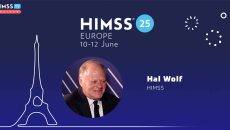
Within its own maturity models, HIMSS is developing what's needed for healthcare ecosystems to develop the data layer for access by apps and for integration in hospitals, says HIMSS President and CEO Hal Wolf, speaking at HIMSS25 Europe.