Strategic Planning

Lack of asset management allows attackers to find vulnerabilities so it's critical to cyberdefense to have a full asset inventory, says Katie Moussouris of Luta Security.

Funds will be used for a new 14-story patient tower, updated technologies and additional residency and fellowship programs.

The magic is taking the results from a single community to create the same model for the nation, says Danish Qureshi, CEO of Zarminali Pediatrics.

The bills would grant the AG authority to review mergers, acquisitions and other financial transactions involving health systems.

AI can help but aligned incentives and the culture of organization are also important, says Dr. Anwar Jebran, medical director of population health informatics at Oak Street Health.

Reducing document burden through ambient AI is a low-hanging fruit that excites clinicians but genAI for clinical decision support is building acceptance more slowly, according to Julie Frey, vice president of provider product at Wolters Kluwer.
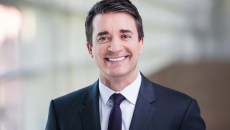
Roles in CMS and HHS have given Whyte an understanding of health policy, reimbursement and clinical innovation and payment models, AMA says.

Dr. Guido Giunti, chief data officer at Dublin, Ireland's St James's Hospital is generating upscaling for healthcare professionals, creating continuing medical education for generative AI.

The collaboration is expected to reduce expenses for payers and patients as hospital-based procedures cost up to 167% more than ASCs.

Healthcare organizations need to invest not only in cyber defense but in preparing for resilience and recovery, says Eric Liederman, CEO of CyberSolutionsMD.