Workforce

The health system's Andrew Rubin shares a "wow" story about staff buying pizza for a transplant patient during his final appointment because he had mentioned at a previous visit that he was excited to eat pizza again following a very restricted diet.

The layoffs follow the August acquisition by Sycamore Partners.
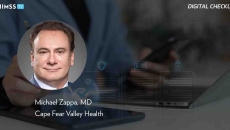
Dr. Michael Zappa, chief clinical officer at Cape Fear Valley Health and physician advisor at Juno Health, says leaders should ask clinicians which administrative tasks take time away from patient care and determine how those tasks can be automated.

The reduction represents less than 3% of the company's global workforce.
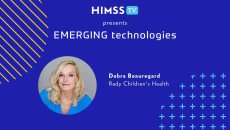
Debra Beauregard of Rady Children's Health says that defining clinicians' problems first and then seeking vendor partners that can address those problems can build trust and increase adoption of new technology.

HHS is looking at how the care plan is supporting the patient, says Sandy Griffiths, senior product manager for Homecare Homebase.

Michael Clark, president of OnPoint Healthcare Partners, says healthcare practices must keep humans in the loop to monitor AI agents' ability to complete tasks as well as to evaluate agents' final output for accuracy.

Administrators are three times more likely to be involved in AI policy than clinicians, suggesting staff is using AI without clear guidance.

More than two-thirds of state medical societies say they plan to work on licensure issues in 2026, including adoption of the Interstate Medical Licensure Compact.
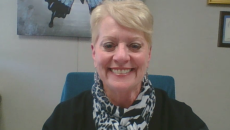
“Most nurses want a manager emphatic to work/life balance,” says Kimberly Landers, RN at Morris Hospital.