HIMSS TV
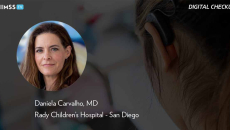
The thin implants are being used in children as young as 6 months old and the technology is able to grow with the child, says Dr. Daniela Carvalho, pediatric ear, nose, and throat specialist at Rady Children's Health in San Diego.
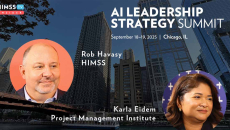
Meeting budgets and deadlines may not reflect the scalability and viability of AI projects, according to HIMSS' Rob Havasy and PMI's Karla Eidem; leaders must align stakeholders, own outcomes and adapt quickly.
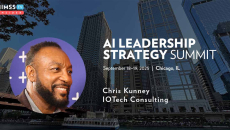
The Chief AI Officer is the latest link between IT and clinical care, as CMIOs were needed 20 years ago during the push to EHR adoption, says Christopher Kunney, a partner at IOTech Consulting.
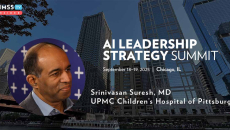
According to Dr. Srinivasan Suresh of UPMC Children's Hospital, an AI tool developed in-house is hoping to identify sepsis earlier in patients, and others are being tested for use in autism, ADHD and diabetes education.

CMS is looking to eliminate incomplete or delayed information and to reduce payer and provider friction, says Courtney Yeakel, chief product officer of the Payer unit at Veradigm.
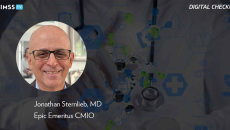
Informatics and health IT are not synonymous but inextricably linked, says longtime informaticist Dr. Jonathan M. Sternlieb, who has been a clinician for 35 years.

Rochester Regional Health recently completed a pilot of an ambient digital scribe with 300 providers that will be implemented in the health system, says Dr. Everett Weiss, medical director for health informatics.
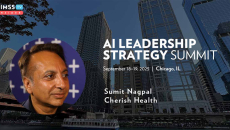
Cherish Health CEO Sumit Nagpal talks about how the company's radar-based monitoring system uses AI to detect daily patterns and falls, allowing seniors independence while giving families peace of mind.
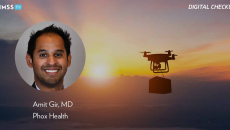
The company recently partnered with UW Medicine and Alaska Airlines to move specialty medications from Seattle to Spokane, shortening the route, reducing time and packaging for home deliveries, says CEO Amit Gir.
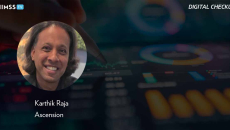
It's becoming more critical for health systems to tie together analytics and artificial intelligence, says Karthik Raja, chief analytics and AI officer at Ascension.