HIMSS TV

Atropos Health CEO Brigham Hyde says the company's AI Evidence Agent integrates directly into Microsoft Teams to provide tumor boards with concise, citation-backed guidance tailored to patient data in real time.
Altera Digital Health's Kevin Ritter says the company's platform unifies and reformats clinical, claims and patient data so it can be used more easily by AI and analytics tools that provide clinicians with decision support.

Challenges for providers include not having enough coders, a large backlog and in general, increasing denials, says Arintra CEO Nitesh Shroff.
Expectations are for performance, adoptability and measurable impact, says Sandra Johnson, senior vice president at CliniComp.
In part 2 of our interview with Sam Davis Jr., he explains how Rush University Medical Center turned data into a daily decision-making tool and engaged surgeons with regular communication, resulting in a 12% increase in surgical block utilization.
Rush University Medical Center's Sam Davis Jr. talks about how the system added more than 1,700 surgeries in three years and boosted prime-time operating room use by 4% through leveraging predictive analytics.

AI will shift from the clinic to the back office; half of the top 20 health systems will ditch legacy RTLS for AI-native care operations; and expect a surge in AI driven length-of-stay optimization, says Rom Eizenberg, CRO at Kontakt.io.
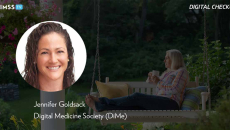
Jennifer Goldsack, CEO of the Digital Medicine Society, talks about its new project, which enables seniors to stay in their homes amid care facility staffing shortages by deploying connected healthcare technology.
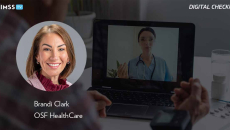
Dwindling access to prenatal care led to individuals showing up in the ER to deliver a baby, says Brandi Clark, vice president, digital care, OSF OnCall, at OSF HealthCare in Illinois.

The law requires adequate protections, and what is adequate has changed over recent years, says Barrett Loveless, infrastructure director for the PET Imaging Institute.