HIMSS TV
GE HealthCare's Sergio Calvo explains how theranostics uses molecular imaging to confirm a cancer target, deliver radiation therapy directly to tumor cells, which helps protect healthy tissue, and track post-therapy results.
Michael Clark, president of OnPoint Healthcare Partners, says healthcare practices must keep humans in the loop to monitor AI agents' ability to complete tasks as well as to evaluate agents' final output for accuracy.

Alexander Richter of the SciTech Innovation Hub at SciTech Scity says the company seeks out startup technology that can address health systems' pain points and launches pilots to demonstrate the tools' usability, efficacy and sustainability.
Jim Roeder, CIO and VP of IT at Lakewood Health System, discusses his upcoming HIMSS26 panel, which will offer tips for tackling infrastructure challenges and protecting healthcare systems on a budget.
Dave Rosa, NeuroOne CEO, explains how the company's robot-placed electrode brain implants, combined with its OneRF ablation system, can help prevent seizures in epilepsy patients and treat motor disorders.
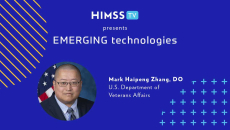
Dr. Mark Zhang of the U.S. Department of Veterans Affairs says six facilities across the country create 3D-printed devices, surgical models and even patient-derived bone grafts that improve care for veterans.

Manx Cares CEO Teresa Cope discusses the Isle of Man's 2026 Innovation Challenge, which seeks digital solutions to help healthcare teams share data and empower residents to better manage their own care.

Venture studio AION Labs' CEO Mati Gill says AION unites competing pharma companies in developing AI projects via a federated data platform, enabling pre-competitive collaboration while allowing each entity to isolate its own data.
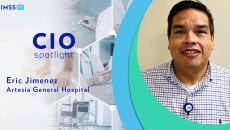
Artesia General Hospital's CIO Eric Jimenez says its use of AI started with cybersecurity to boost network visibility and strengthen device security. The hospital is now also using ambient AI to reduce clinician burnout.

As the number of mental health AI chatbots grows, Numerof and Associates' Michael Abrams warns that without rigorous testing and validation these largely unregulated tools may pose real risks to patients.