HIMSS TV
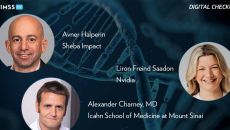
Mount Sinai, ARC Innovation Center and Nvidia are collaborating to build AI models that can decode the human genome in order to accelerate breakthroughs in genetic therapies and personalized medicine.
The three-year elimination of the Medicare Inpatient-Only list began in January with the removal of 285 mostly musculoskeletal procedures, says Allison Oakes, chief research officer for Trilliant.
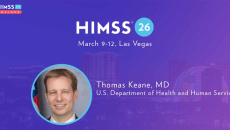
Dr. Thomas Keane, assistant secretary for technology policy and national coordinator for health IT at HHS, outlines his office's recent work on issuing and finalizing rules aimed at improving health information exchange.

Sarah Hatchett, Cleveland Clinic CIO, says her HIMSS26 panel discussion will provide leaders with a practical guide for planning new IT infrastructure and retrofitting existing facilities to support emerging technologies.

HIMSS CEO Hal Wolf says that sessions on AI at the upcoming HIMSS Global Conference & Exhibition will shift from past years' focus on deployment to exploring governance, workflow impact and how to determine ROI.

The health system's Andrew Rubin shares a "wow" story about staff buying pizza for a transplant patient during his final appointment because he had mentioned at a previous visit that he was excited to eat pizza again following a very restricted diet.

FDB's Virginia Halsey discusses Model Context Protocols, which act as "contracts" requiring healthcare AI to have a high confidence threshold before it acts and contain its behavior to keep clinical use safe and compliant.

Michael Dalton, Ovatient founder and CEO, says the CMS-led Rural Health Transformation Program will only succeed if funds are used to build new value-based, virtual-first models for providing care to rural communities.

In his HIMSS26 Smart Health Transformation Forum keynote inspired by Taylor Swift, General Catalyst's Dr. Stephen Klasko will discuss how today's innovations may help bring about a future in which more personalized healthcare is available.
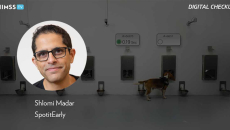
SpotitEarly CEO Shlomi Madar explains how the company uses dogs' superior sense of smell, combined with sensors and AI, for early detection of lung, prostate, colorectal and breast cancers in patients' breath samples.