Artificial Intelligence

The inherent risks of AI necessitate ongoing oversight and governance, and physician expertise can't be substituted, AMA says.

Hospitals need to shift their marketing strategies as AI has changed the new patient's journey to care through a hospital website, says Ann Bilyew, president of WebMD Ignite.

Only a small minority of hospitals and health systems say they're prepared for an AI audit.

Delaware Valley Community Health is readying for AI in clinical applications after achieving higher revenue through automated coding, claim scrubs and submissions, says CIO Isaiah Nathaniel.

Successful applicants will explore the connection between AI and nursing.

Expected drop in next year’s star ratings will be due to the health equity index that includes social risk factors in CMS calculations.
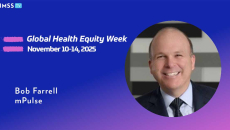
Machine learning and AI can be leveraged for patient personalization to gain trust, especially in underserved populations, which helps close care gaps, says Bob Farrell, CEO of mPulse.

AHA has “substantial concerns” over the vendor payment structure in WISEeR that incentivizes denials at the expense of physician judgment.
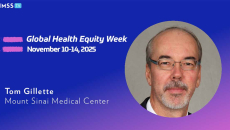
In addition to language translation, AI plays an important role in interpreting labs and imaging results into plain language for patients to understand, says Tom Gillette, CIO of Mount Sinai Medical Center in Miami Beach.

The intent is to improve documentation accuracy, reduce administrative burden and free up time for patient care.