Artificial Intelligence
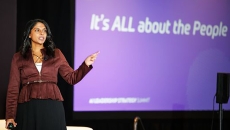
Good governance builds trust for staff to give up the tasks they thought were critical to their jobs.
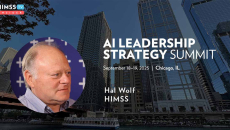
The AI Leadership Strategy Summit held in Chicago focused on how leaders manage change, what's on the horizon and how they can start to plan for it, says HIMSS President and CEO Hal Wolf.

The programs are meant to spur associates to responsibly leverage AI and other technologies in their work.

Analysts’ vision of the future is that by 2035, healthcare will be proactive, automated, robot-enabled and accessible virtually anywhere.
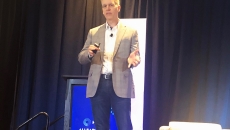
"It's a myth that providers are against new tools and technology," says Thomas Osborne, CMO at Microsoft.

One of the pitfalls technologists run into is the security of patient data, says Ferrum Health CEO Pelu Tran.
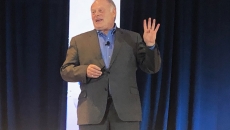
HIMSS AI Leadership Strategy Summit is aimed at executives looking to deploy AI while managing the risk.
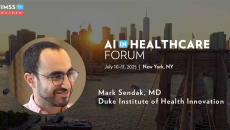
The Health AI Partnership extends the work Duke has been doing internally building best practices, says Dr. Mark Sendak, population health & data science lead at the Duke Institute for Health Innovation.
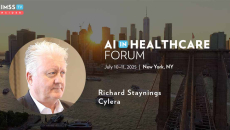
Still lacking is a governance structure for systems coming online to consider whether they're acting within their design constraints, what they’re doing to networks and the risks they present, says Richard Staynings, chief security strategist at Cylera.
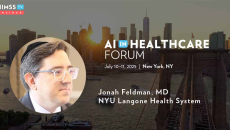
Dr. Jonah Feldman, medical director for clinical transformation and informatics at NYU Langone, says artificial intelligence is now touching the patient experience and allowing physicians to focus more on their care.