Videos
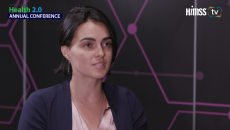
Kristi Ebong, SVP and GM at Orbita, discusses using conversational AI to dynamically respond to and serve patients across the tech literacy spectrum.

SPONSORED
 |
01:06 pm |
November 08, 2019
|
01:06 pm |
November 08, 2019
|
01:06 pm |
November 08, 2019
Sven Dethlefs, EVP at Teva Pharmaceuticals, says the company's new ProAir Digihaler detects when the inhaler is used and measures inspiratory flow, giving the patient and provider valuable insight.

Healthcare IT News Managing Editor Bill Siwicki reports that CaroMont Regional Medical Center's use of telehealth has helped reduce ER overflow hours from 1,700 to just 148.
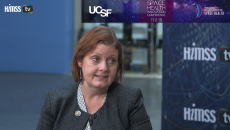
Findings on the effects of space travel on human health are being used to prepare for a long-term mission to Mars, says Julie Robinson, chief scientist at NASA's ISS division.

There are a number of areas where AI is expected to make a real difference in healthcare in the coming years, says Alex MacLeod, manager of HealthShare Commercial Initiatives at InterSystems.
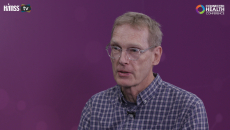
Oncology treatment needs to become more personalized, says Bradford Power, founder of Reengineering Cancer Treatment and an author focused on process improvement.

Grace Lee, CEO of Health Enovation, explains the importance of collecting the right data for the right purpose - and why patients should be rewarded for sharing their data.
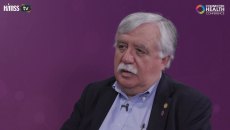
Jay Spitulnik, associate director of the health informatics graduate program at Northeastern University, discusses why clinical IT professionals must become more attuned to the needs of patients.
SPONSORED
 |
08:38 am |
November 06, 2019
|
08:38 am |
November 06, 2019
|
08:38 am |
November 06, 2019
Clinicians need access to the resources required to use digital systems as painlessly as possible to free up their time, says Johnathan Pascall, EMEA sales director of uPerform by Ancile.
Dr. Annette Sobel, professor at Texas Tech University and board member at the Translational Research Institute for Space Health, discusses the challenges centered around human physiology and human factors in space and other extended environments.