Videos

The future can learn from past failures and successes in space medicine, says Dr. Jonathan B. Clark, associate professor of neurology at Baylor College of Medicine.

SPONSORED
 |
07:57 am |
November 05, 2019
|
07:57 am |
November 05, 2019
|
07:57 am |
November 05, 2019
Nonin Medical made usability and logistics improvements to its pulse oximeter to make it more desirable for the elderly, claim Nonin's Chris Holland and telehealth consultant Mark VanderWerf.
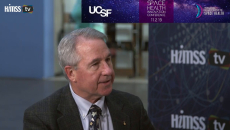
Mechanical and Aerospace Engineering Professor at UC Davis and former NASA astronaut Stephen K. Robinson discusses what space health research can teach us about aging, including in areas such as osteoporosis and neurovestibular system issues.

Livongo founder and Chairman Glen Tullman discusses how the company's "Applied Health Signals" aggregates and analyzes information to generate insights that could make it easier for individuals to stay healthy.

Peter Faulkner, CEO of Bendigo Health, talks about increased demand changing the business of hospital management, and how tech advances around supply chain and machine learning can help.

Winners of AsiaPac19 awards talk about what the recognition means to them, their organizations and the larger mission of healthcare transformation of the region.

There are some major challenges to overcome in caring for homeless and other underserved individuals, says Dr. Tim Mercer, director of global health of Dell Medical School at the University of Texas at Austin.

The dialogue of fear around technology is changing as the culture is increasingly inclusive of tech teams within hospitals, says NHS Leadership Academy's Ian MacIntyre, whose focus is on building a digital-ready workforce.

MaryAnne Sterling, EVP of caregiver experience at Livpact, describes the "one-stop shop" for tools and resources for adult children caring for aging parents with Alzheimer's or other chronic conditions.

Virtual care delivered from the school nurse's office is reducing health-related absences, addressing social determinants and improving access, says Nick Woods, co-founder of California-based Hazel Health.